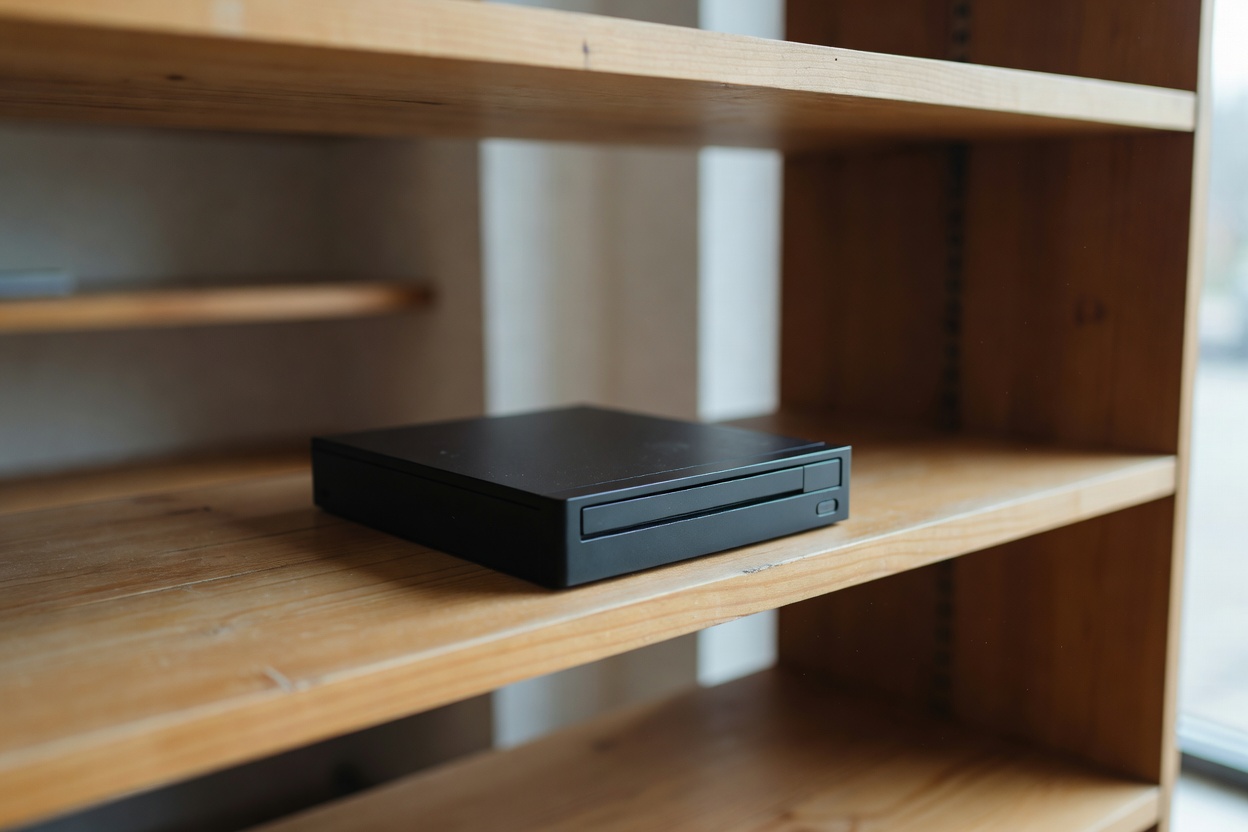
Sony still has to ration attachable disc drives sales to "1 per order" due to "high demand" despite plans to end production of physical discs for PlayStation games
Digital Frontier EditorialJuly 4, 20265 min read
Key Takeaways
Sony will stop producing physical PlayStation game discs in January 2028, effectively confirming a discless PS6
Despite this, the company still rations attachable disc drives to "one per order" due to sustained high demand
The rationing notice has existed since at least November 2023 — years of constrained supply for a supposedly dying format
Microsoft is reportedly preparing a similar discless future with Project Helix
Sony wants you to believe physical media is dead. Its own supply chain tells a different story.
Three days. That's how long it took for the contradiction to surface. On July 1st, Sony announced it would end production of physical PlayStation game discs by January 2028. Games will still appear at retail — just as download codes in boxes. The message was clear: the disc era is over. The PS6 will not have a drive.
By July 4th, the PlayStation Direct store was still limiting attachable disc drives to one per customer. "High demand," the listing reads. The same notice has sat there since at least November 2023. Twenty months of rationing for a product Sony insists nobody wants anymore.
ResetEra summed it up: "This would be so funny if it weren't so sad."
The lie in the numbers
Corporate strategy rarely survives contact with reality. Sony's "consumer trends" narrative — the polite euphemism for "we make more margin on digital" — crashes against a stubborn fact: people keep buying disc drives. Enough people that Sony cannot keep them in stock. Enough people that the company has enforced a per-order limit for nearly two years.
This isn't a niche. This isn't a vocal minority. This is sustained, measurable demand that has outpaced supply for the better part of a console generation.
The attachable drive launched alongside the PS5 Slim at $80. It solves a problem Sony created: a console sold in two SKUs, one with a drive slot, one without. Early adopters who bought the digital edition and later regretted it — or who simply want the option — have snapped them up. Scalpers have certainly helped. But scalpers only exist where genuine demand exceeds genuine supply. Sony could have produced more. It chose not to.
Manufacturing consent
The updated store notice is almost comedic in its corporate doublespeak. "From Jan. 2028, newly released games on PlayStation will be available for purchase on PlayStation Store and at retailers in digital format only. Discs for games released before Jan. 2028 can continue to be played on this console."
Translation: we're killing the format, but please keep buying the hardware that reads it.
Sony wants the best of both worlds. It wants the higher margins and total control of a fully digital ecosystem. It wants to eliminate manufacturing, shipping, and retailer cuts. But it also wants the revenue from selling $80 peripherals to the holdouts it claims don't exist.
The rationing serves a dual purpose. It manages scarce inventory. It also creates artificial scarcity — a marketing tactic that makes the product feel essential, urgent. A drive you can't easily buy becomes a drive you must buy.
The Microsoft echo
Microsoft is reportedly following the same script. Project Helix, the codename for the next Xbox generation, allegedly drops the disc drive entirely. The twist: Microsoft may offer a program to convert owned discs into digital licenses. A transition bridge. Sony has offered no such olive branch.
Both companies are betting that the convenience of digital — instant access, no disc swapping, game sharing via family plans — will override ownership concerns. They're probably right for the majority. But the majority isn't the market. The market includes collectors, preservationists, rural players with bandwidth caps, parents buying used games for kids, and people who simply want to sell a game they finished.
That market just bought every disc drive Sony would sell it.
Preservation as an afterthought
The January 2028 cutoff creates a hard line in gaming history. Games released before that date remain playable on disc. Games released after do not. This isn't a gradual transition. It's a guillotine.
Consider what disappears: day-one patches on disc (increasingly rare, but they exist), delisted titles that never received digital re-releases, physical special editions with actual artifacts — steelbooks, art books, maps. The digital future flattens all of this into a license agreement you don't own and can't transfer.
Sony's notice acknowledges backward compatibility as a consolation prize. "Discs for games released before Jan. 2028 can continue to be played." Generous. The hardware you bought to read them, however, remains rationed.
The real consumer trend
If consumer trends truly favored digital exclusively, the attachable drive would sit on shelves. It would be a clearance item. Instead, it's a hot commodity two years after launch. The trend Sony cites is a trend Sony is enforcing — by removing the choice, by making physical inconvenient, by starving the supply chain while claiming the demand doesn't exist.
This is how platform holders manufacture consent. They don't respond to the market. They shape it. They declare the future inevitable, then build the walls that make it so.
The rationing notice remains. The drives remain scarce. The January 2028 deadline looms. And somewhere, a warehouse holds a stack of disc drives that Sony won't sell you more than one of — because demand is too high for a format the company has already pronounced dead.
The joke writes itself. The tragedy is that nobody's laughing.