Combat delivers the frenetic, methodical thrill the franchise promises — everything else drags.
The semi-open world is a series of railroaded corridors that kill exploration and stall pacing.
Original story thread with prophetic brooches supplements the anime canon smartly, then drowns in structural bloat.
Permadeath stakes feel hollow when the game won't let you wander off the leash.
Echoes of Aincrad Review
The combat deserves a better game. Echoes of Aincrad nails the kinetic rhythm that defines Sword Art Online's appeal — parry, dodge, switch-weapon, burst — then buries it under a structure that refuses to trust the player. You create a nobody. You join a beta tutorial disguised as prologue. You bond with Iori, Saayu, a handful of fresh faces. Then Kayaba drops the hammer: 10,000 trapped, 100 floors, death in-game means death in reality. The premise arrives intact. The execution does not.
Bandai Namco and developer Aquria had one job: translate Aincrad's vertical desperation into a playable space. They built zones instead. Large, pretty, empty zones. Each mission loads a designated slice. Step outside the invisible fence and the camera spins you around like a confused toddler. No climbing the spire's exterior to gauge progress. No peeking at floor 47 from floor 12. The floating castle becomes a sequence of loading screens wearing explorer's clothing.
The Rails Show
Exploration dies in the tutorial. The beta section teaches you to follow waypoints. The full game never unteaches it. Side missions unlock slivers of each zone — a ruin here, a forest there — but the boundaries remain absolute. You cannot wander. You cannot discover. You follow the golden thread until the next cutscene triggers. Wonder requires agency. This game treats agency as a bug.
Pacing collapses under the weight of empty transit. Jogging across a barren plateau between story beats isn't gameplay; it's a loading screen you control. The anime's Aincrad felt vast because the camera lingered on sweeping vistas and the characters had to keep moving. Here you’re the one moving, and the vistas forgive you for noticing they're just skyboxes.
Combat Saves What Structure Sacrifices
Then a fight starts and the game remembers its lineage. The switch-system — one-handed sword, dual blades, heavy lance, staff — flows like muscle memory. Enemy tells radiate clearly. Parry windows demand respect without cruelty. Bosses dance across arenas, forcing you to read patterns, swap tools, time burst arts. A floor boss on floor 23 made me sweat. That sweat is the only time the permadeath premise lands.
Skill trees branch wide enough to support distinct builds. I ran a mobility-focused dual-blade dancer who peppered bosses with hit-and-run flurries. A co-op partner (yes, co-op exists in story missions) ran a tanky lance build that drew aggro and shattered poise. The synergy felt earned. The systems work. They beg for a sandbox that never arrives.
Original Thread, Borrowed Stakes
The narrative detour — mysterious brooches flashing apocalyptic visions, a hidden quest to avert doomsday — cleverly parallels Kirito's climb without tripping over it. Your crew chases prophecy while the main cast clears floors offscreen. The permadeath threat reframes: if the vision comes true, clearing floor 100 won't matter. That's strong writing. It respects the source material while carving narrative elbow room.
Character writing holds. Iori steadies. Saayu brightens. Newcomers like the grim strategist Kaito and the mercenary lore-hoarder Vex earn their screen time. Dialogue avoids the franchise's worst exposition habits. Then the game strands them in zones that feel like waiting rooms.
Visuals Carry Atmosphere the Design Won't
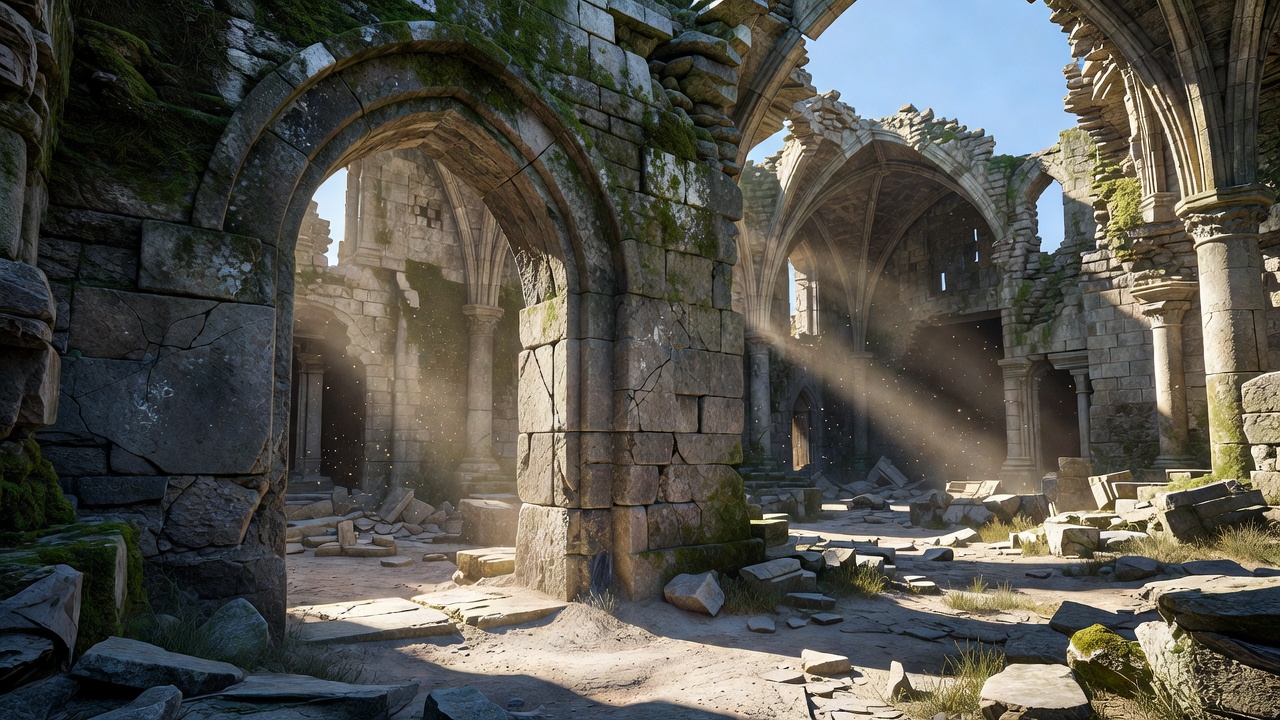
Unreal Engine 5 serves the aesthetic. Floor 1's medieval township glows with lived-in warmth. Floor 12's crystalline cavern fractures light into hazards you instinctively dodge. Character models animate with anime fidelity — hair physics, coat flutter, weapon trails. The UI mimics the show's diegetic menus without sacrificing readability. Photo mode captures the verticality the level design refuses to let you climb.
Performance holds 60 frames on PlayStation 5's performance mode. Load times sting — 12 to 18 seconds per zone transition. Fast travel exists but unlocks late and only between discovered hubs. You walk. You wait. You walk again.
The Irony of Permadeath in a Cage
Kayaba's death game terrified because players could run, hide, fail in the dark. Echoes strips that freedom. You die in bounds. You succeed in bounds. The brooches warn of apocalypse while the level design whispers that the real catastrophe is boredom. I wanted to log out at hour eight. Not because the stakes felt real — because the hallway felt endless.
Co-op softens the slog. Two players can tackle story missions together, sharing XP and loot rolls. Voice chat cracks jokes during the long jogs. But co-op doesn't fix the architecture; it just distributes the tedium.
Verdict
Echoes of Aincrad proves the combat formula scales to single-player RPG length. It proves an original cast can carry emotional weight beside anime legends. It proves the Aincrad premise still grips. Then it proves none of that matters if the world refuses to breathe. Aincrad should feel like a tower you climb rung by desperate rung. This version feels like a museum exhibit of that tower — glass cases, velvet ropes, gift shop at the exit. The combat wants you to dance. The design insists you march. Only one survives the 100 floors.