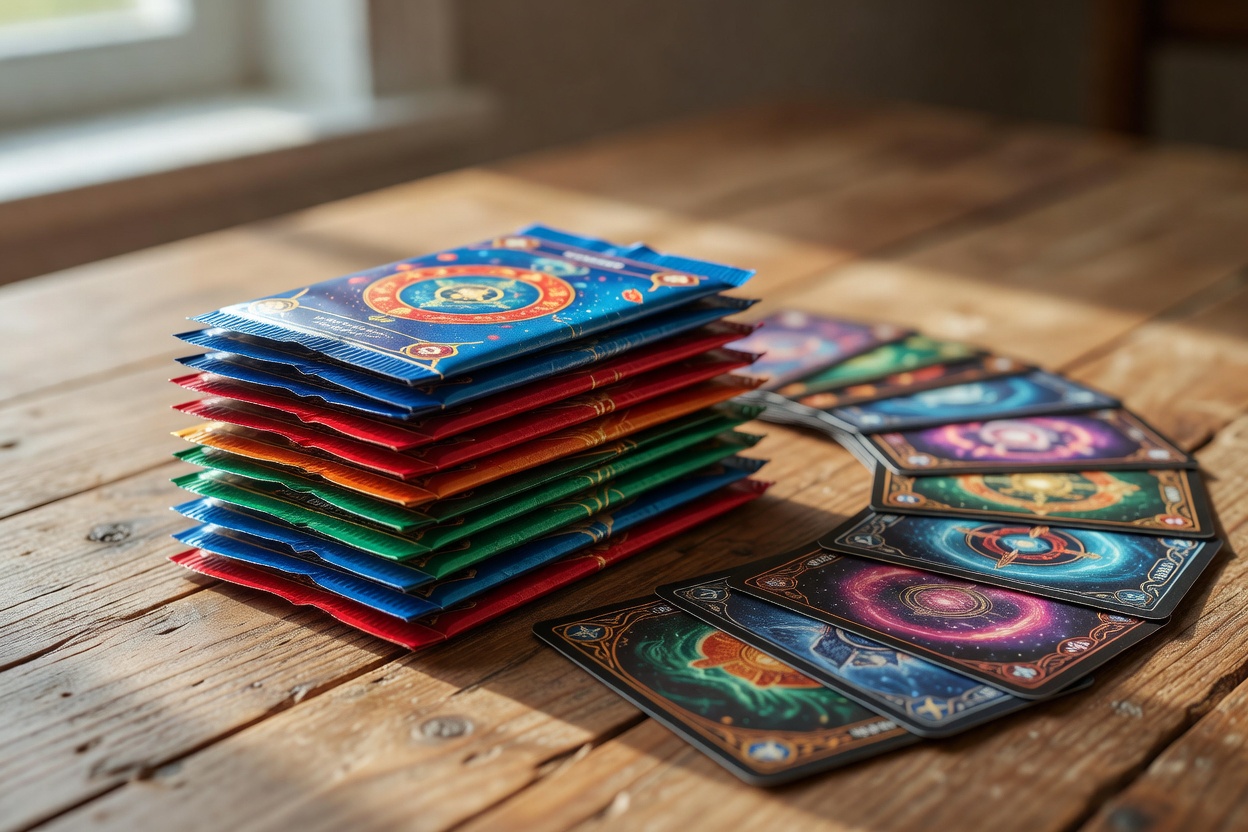
The Pokémon TCG isn't just a card game anymore. It's a global commodity market disguised as a hobby, and 2026 is shaping up to be the year the bubble either bursts or hardens into something unrecognizable. The Pokémon Company has finally dropped enough breadcrumbs to piece together a release calendar, and reading it feels less like planning a collection and more like studying a central bank's fiscal policy.
The Mega Evolution Gamble: Pitch Black Arrives
July 17 brings Pitch Black — known as Abyss Eye in Japan — and with it, the return of Mega Evolution after a decade-long hiatus. Mega Darkrai ex headlines, flanked by Zeraora, Chandelure, and Excadrill. On paper, it's a dream: a compact 115-card set after the bloated 295-card nightmare of Ascended Heroes. In practice? It's a calculated correction. The Pokémon Company finally realized that modern sets have become uncollectible by design, choking the life out of completionists and casual players alike.
But let's not pretend this is altruism. A tighter set means higher pull rates for the chase cards, which means sealed product holds value longer, which means the secondary market stays frothy. The $49.99 MSRP on the Chaos Rising Elite Trainer Box is already a fiction; you'll be lucky to find one under $80 at release. Mega Evolution's return isn't about gameplay diversity — it's about printing a new tier of chase cards that command $200+ raw. Darkrai was always going to be the poster child; it's popular, it's dark, and it prints money.
Illustration Collections: Nostalgia as a Subscription Service
Then there's the First Partner Illustration Collection series. Series 3 drops August 7 for $14.99, covering Hoenn, Kalos, and Paldea starters. Series 1 and 2 already sold out instantly, flipped on eBay for triple retail. This isn't a product line — it's a dopamine drip feed. Each $15 box contains a single promo card and a few packs. The math is brutal: you're paying a massive premium per card for the privilege of owning "official" artwork that used to come in standard sets.
The source speculates about a Series 4 with Generation 10 starters. Of course there will be. Why stop at three when you can slice the entire Pokédex into quarterly $15 micro-transactions? This is the mobile game battle pass model applied to cardboard. It's brilliant, predatory, and entirely effective. The artwork is genuinely stunning — the Japanese illustration rares have been the only consistent bright spot in modern TCG design — but the packaging is pure extraction.
The 30th Celebration: Finally, Global Parity
September 16 changes everything. The 30th Celebration set launches worldwide simultaneously. For the first time in the game's history, North America, Europe, and Japan get the same product on the same day. No more three-month lag where Japanese boxes are dissected, spoiled, and price-fixed before Western stores even see allocation. No more region-exclusive promos that create artificial scarcity.
This is the single most consumer-friendly move The Pokémon Company has made in years. It undermines the gray market importers, kills the "early access" premium, and forces a global price equilibrium. It also signals something deeper: the company finally acknowledges that the TCG is a unified global economy, not a series of regional fiefdoms. The 30th anniversary set will undoubtedly be a greatest-hits parade of reprints and new alternate arts — think 151 on steroids — but the simultaneous launch matters more than the card list. It's a precedent. If they can do it for the anniversary, they can do it for every set. The question is whether they will.
What's Missing and What Matters
The calendar has holes. No word on the winter special set — traditionally November — no confirmation on the next mainline expansion after Pitch Black, and absolutely zero transparency on print runs. The source mentions "surprises The Pokémon Company might have in store," which is corporate speak for "products we haven't decided how to monetize yet."
Here's what actually matters for 2026: Pitch Black will test whether Mega Evolution can sustain a modern meta. The Illustration Collections will test how many times collectors will pay $15 for one card. The 30th Celebration will test if simultaneous global release becomes the new standard or remains a one-off anniversary gesture.
But the real test is us. The players. The collectors. The speculators. We've turned a children's card game into an asset class. The 2026 schedule isn't a roadmap — it's a menu of financial instruments. Every ETB, every illustration box, every celebration pack is a derivative product built on nostalgia and FOMO. The Pokémon Company knows exactly what they're doing. They've spent three decades perfecting the art of making us pay for the same 151 monsters over and over again, just with different foil patterns.
So by all means, mark your calendars. Pre-order your Pitch Black ETBs. Camp for the 30th Celebration. But don't pretend you're collecting Pokémon. You're collecting scarcity. And in 2026, scarcity is the only card that matters.