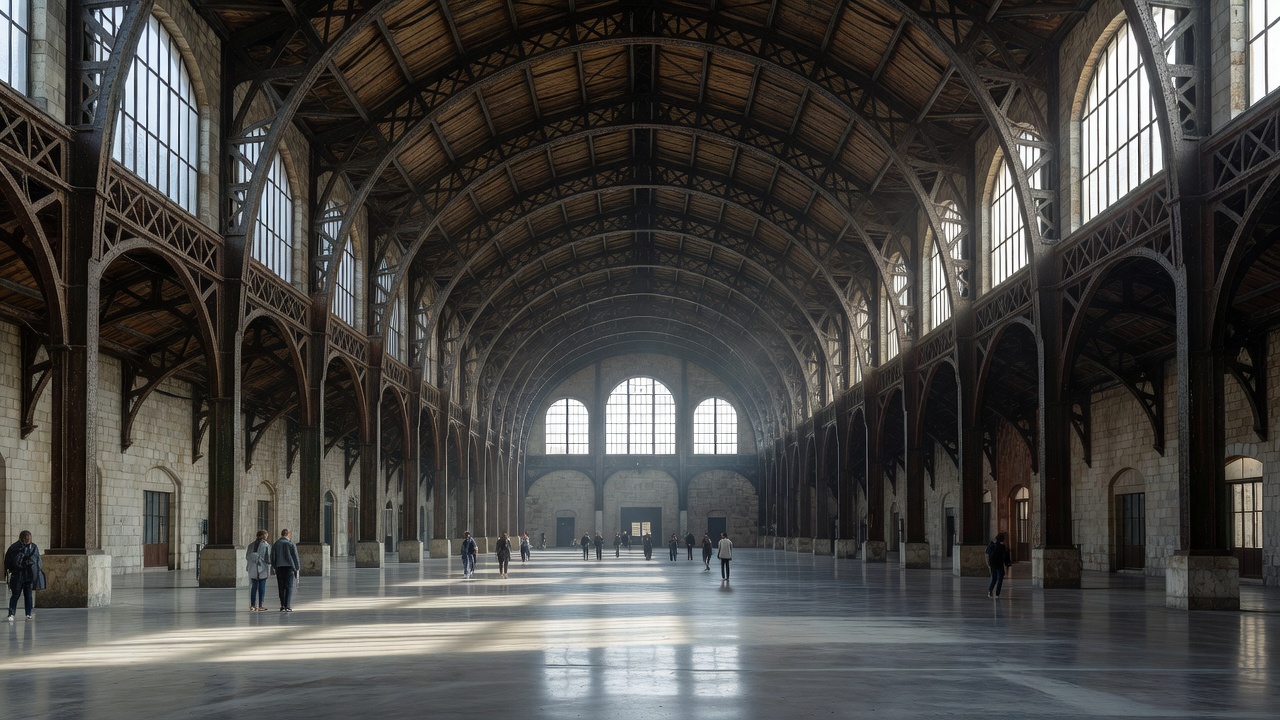
Station F ramps up as a launchpad for Europe’s hottest AI startups
Digital Frontier EditorialJuly 6, 20265 min read
Key Takeaways
Station F's F/ai accelerator is corralling every major AI player — OpenAI, Anthropic, Mistral, Meta, Google — into a single program designed to force-feed European startups the commercial discipline they've historically lacked.
The hub takes equity in its Future 40 picks, turning a campus into a venture fund with a 538,000-square-foot deal flow engine and direct lines to the Élysée Palace.
First cohort: 20 startups, 80% repeat founders, a third with PhDs, $34 million raised pre-seed, and a €1 million revenue target within six months — metrics that mimic US speed, not European comfort.
Second batch adds Eleven Labs, GitHub, HubSpot, and Nebius. The corporate logo wall is growing, but the real test is whether these partners open their APIs and checkbooks or just their Slack channels.
Station F doesn't need another accelerator. It needs a shortcut. Xavier Niel's Paris campus has spent eight years collecting logos, presidential visits, and equity stakes in the French Tech crown jewels. Now it's bundling them into F/ai — a program that reads less like mentorship and more like a coordinated exercise in removing every excuse a European AI founder could possibly have for moving slowly.
The partner list for batch two is a flex: Eleven Labs, Nebius, Rippling, OpenRouter, HubSpot, GitHub. They join AMD, Anthropic, AWS, Clay, Google, G42, Hugging Face, Lovable, Meta, Microsoft, Mistral AI, OpenAI, OVHcloud, Snowflake, and Qualcomm. That is not a curriculum. That is a cap table waiting to happen.
Roxanne Varza, Station F's director, frames it as access. "The goal was to bring together all the major players and make it much easier for startups looking to launch in Europe to connect with them." Translation: we've done the legwork so you don't have to cold-email a partner engineer at 2 a.m. The corporate partners get early sight of deal flow. The founders get a cheat code. Station F gets equity in the Future 40 — a practice it formalized in 2022 — and a front-row seat to whatever emerges.
Eleven presidential visits since 2017. Sam Altman has walked the floor. This is not a co-working space. It is a state-backed commercialization machine wearing a hoodie.
The numbers from cohort one are the only thing that matter. Twenty startups. Eighty percent founded by repeat entrepreneurs. A third holding PhDs. $34 million in pre-seed capital collectively raised. Two winners already: Alpic took the global grand finale of The Pitch, Deel's competition. Rippletide won the OpenAI Codex Hackathon. Trophies don't pay salaries, but they signal something investors understand: velocity.
Varza admits the revenue target — €1 million in six months — is a direct response to criticism that European startups commercialize at a glacial pace. "This brings them on par with what investors are seeing in the U.S." She said the quiet part out loud. The European discount is real. The perception that founders here optimize for grants over customers, for research over revenue, for process over product — it persists because it's often true.
F/ai is an attempt to hack that culture by force. Compress the timeline. Surround the teams with every compute provider, model lab, and distribution channel they could need. Make the default path the American one: ship, sell, scale.
But the corporate partner list raises a question no one answers on stage: how much of this is performative? A logo on a slide deck is not a committed engineering resource. Microsoft, Google, Meta, AWS — they're all here. So is Mistral. So is OpenAI. They cannot all be strategic to the same early-stage company. Some are there for defense. Some for branding. Some because Xavier Niel asked and you don't say no to Xavier Niel.
The equity model is clever. Station F invests in Future 40 companies. It owns a piece of the pipeline it curates. That aligns incentives — until it doesn't. A campus that selects, accelerates, and invests is effectively a fund with a 1,000-company-a-year deal flow and a government-subsidized rent roll. The conflict is structural: the same entity picking winners also profits from them. Transparency helps. It doesn't eliminate the conflict.
Then there's the founder profile. Repeat entrepreneurs with PhDs. That's not a cohort — it's a filter. The profile skews that way mostly because the bar for entry is already high, and the program selects for signals investors recognize: prior exits, academic credentials, technical depth. It's a self-reinforcing loop. The most pedigreed founders get the most resources. The outliers — the dropouts, the immigrants building in a second language, the founders without a École Polytechnique network — stay outside the gates.
Station F was never meant to be inclusive. It was meant to be a concentration of density. That density now includes the entire AI supply chain. The second batch starts in September. The partners will show up. The founders will sprint. Some will hit the revenue target. Most won't.
The real experiment isn't whether F/ai produces a French OpenAI. It's whether a campus can manufacture the commercial urgency that ecosystems usually absorb over decades. Europe has the talent. It has the compute. It has the capital — more than ever. What it lacks is the cultural default to sell fast and hard.
Niel bought the building. Varza built the machine. The corporate partners supplied the logos. Now the founders have to supply the revenue. That's the only metric that survives the hype cycle.