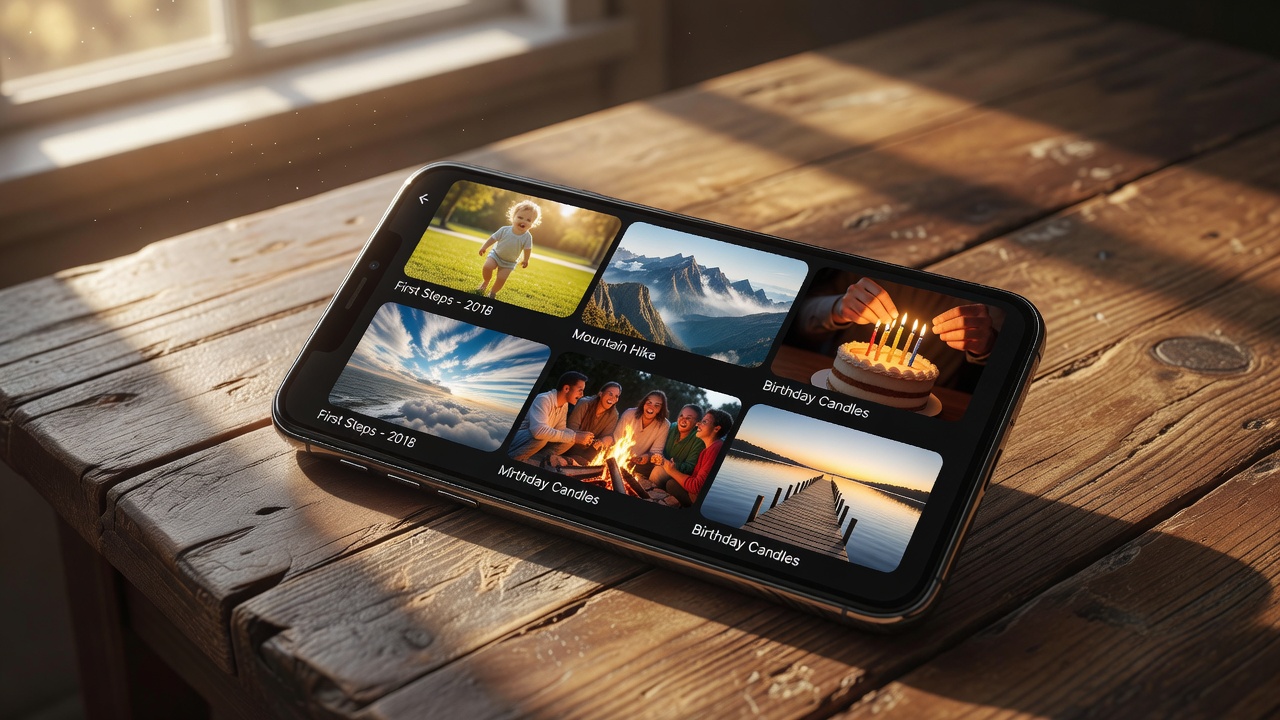
Google Photos' new Video Remix tool uses Gemini Omni to transform videos with cinematic relighting, background swaps, and artistic styles in seconds
The feature locks behind Google AI Plus, Pro, and Ultra tiers — another paywall for capabilities that used to require skill, not subscription
Rollout covers 15 countries but excludes the EU and UK, highlighting regulatory friction around generative AI deployment
Google is bundling video editing into Photos to keep users inside its ecosystem, not because standalone editors lack these features
The feature that should scare Adobe more than Google
Google just turned video editing into a parlor trick. Tap a button. Your dark clip glows with morning light. Tap again. Your backyard becomes a greenhouse. Tap again. The whole thing renders in watercolor. No timeline. No keyframes. No rendering queue. Just Gemini Omni doing in seconds what After Effects artists charge hours to fake.
The demo examples read like a wish list: relighting, background replacement, style transfer. These are not new problems. They are solved problems — solved by professionals with licensed software and years of muscle memory. Google's bets is that you'll trade control for convenience. Most people will.
The subscription trap
Video Remix launches for Google AI Plus, Pro, and Ultra subscribers only. Free tier users get nothing. The message is clear: generative video is now a premium feature, not a platform capability. This mirrors Google's strategy across Workspace and Search — wall off the flashy AI, dangle it as upgrade bait.
Fifteen countries get access today. The United States, India, Japan, Brazil, and a scatter of emerging markets. Noticeably absent: the European Union, the United Kingdom, Canada. Google didn't explain the gap. They rarely do. But the pattern matches every major AI rollout since GDPR and the AI Act started biting. Regulatory caution masquerades as phased launch.
Ecosystem glue, not user empowerment
"Creating beautiful video clips shouldn't require professional skills or hours of editing," Google's blog post claims. That sentence reveals the actual product strategy. This isn't about democratizing creativity. It's about reducing the surface area of reasons to leave Google Photos.
Apple's Photos app adds cleaning tools. Adobe Express adds generative fill. Google counters with Video Remix. Each company builds a moat. The water is AI. The alligators are subscription tiers. Users swim in circles, impressed by the ripples.
What Gemini Omni actually promises
Google describes Gemini Omni as a model that "creates anything from any input." That marketing line deserves scrutiny. The demos show controlled transformations: relighting, background swap, style filter. These are conditional generation tasks — image-to-video translation with constraints. They are not "anything from any input." They are specific pipelines wrapped in a conversational interface.
The distinction matters. When the model hallucinates a third arm on your grandmother in the greenhouse, you can't fix it in Photos. You don't get layers. You don't get masks. You get a regenerate button and hope. Professional tools fail too, but they fail with handles you can grab.
The touch-up precedent
Google Photos recently added AI touch-up tools: blemish removal, skin smoothing, eye brightening, teeth whitening. They work well enough for Instagram. They also normalize algorithmic body modification as a default expectation. Video Remix extends that logic to motion. Your face moves. The relighting tracks it. The watercolor style paints over it. The background swaps behind it.
Each feature reduces the distance between "how I looked" and "how I want to look." The distance is where authenticity used to live.
Digital closet, same drawer
The same announcement cycle included an AI closet feature — photograph clothes, generate outfits, virtual try-on. Different domain, identical mechanic: upload personal assets, receive generated variations, stay in the app. Google is building a generative layer across every personal media category. Photos. Videos. Clothes. Next: voice messages, calendar events, search history.
The platform becomes a hall of mirrors. Each reflection smoothed, relit, restyled.
What happens to the editors
CapCut, InShot, VN, Premiere Rush — the mobile editors that carved out space between iMovie and After Effects — just lost their casual tier. The user who wants "cinematic relighting" for a Reel no longer downloads an app. They tap Create. They stay in Photos. They pay Google.
Professional editors survive. They sell control. But the middle market — aspiring creators, small businesses, social media managers — gets hollowed out. The tools that taught them keyframes and color wheels vanish into a subscription button.
The real competition
Google frames this as competition with Apple, OpenAI, Adobe. The real competitor is time. Video Remix trades hours for seconds. That trade is irreversible. Once users experience generative speed, manual editing feels broken. Not inferior — broken. Like typing on a typewriter after using autocomplete.
Adobe knows this. Their Firefly integration into Premiere is the defensive play. Apple knows this. Their rumored generative video tools for Final Cut are the countermove. The war isn't for features. It's for the default.
What Google won't say
The blog post doesn't mention training data. Doesn't mention artist compensation for the watercolor, sketchbook, oil painting styles. Doesn't mention energy cost per generated second. Doesn't mention what happens when the model decides your "morning glow" looks like a nuclear flash.
It doesn't need to. The feature works. The demo impresses. The subscription converts. The ecosystem tightens.
Video Remix is a good tool. It will make better Instagram Reels. It will save small businesses money on freelance editors. It will delight grandparents relighting birthday videos. It will also teach a generation that video is clay — infinitely malleable, authorless, disposable.